

As the Nursing Home Injury Law Group, we are committed to protecting every elder resident and supporting the people and families affected when abuse occurs in nursing homes. Mistreatment can impact physical health, emotional well-being, dignity, and safety, mainly when a woman or other vulnerable resident depends on staff for food, medication, and daily care. These harms often go unnoticed when residents fear intimidation or isolation, leaving family members and partners searching for answers.
Understanding the types of abuse, the warning signs, and the rights involved helps others recognize when something is wrong. When families reach out to our attorney team with questions, they often need clear, trustworthy guidance to inform their next steps. Our goal is to provide support, information, and direction to anyone concerned about a loved one’s safety in a nursing home.
Physical Abuse as a Form of Resident Harm
Physical abuse involves force used against a nursing home resident—including any elder in care—that causes injuries, pain, or physical suffering. These acts may include hitting, pushing, shaking, kicking, or restraining a person without proper consent, often placing a resident’s safety directly in the hands of those who misuse their power. Families often come to us after noticing bruises, cuts, broken bones, or unexplained changes in behavior on a site that should offer protection, not harm. Many times, a family member or partner is the first to recognize that something is wrong, prompting them to contact our lawyer team for help. Many residents cannot describe what happened because of fear, anxiety, cognitive decline, or intimidation from employees or other individuals who seek to gain control in an already vulnerable situation.
Common indicators include:
- Bruises in various stages of healing
- Bedsores caused by a lack of proper turning
- Dehydration or malnutrition linked to staff neglect
- Restraint marks on wrists or ankles
- Sudden withdrawal from activities or family members
Because residents depend on caregivers for assistance with mobility, hygiene, and medication, physical mistreatment can happen during routine interactions such as touching, dressing, bathing, or repositioning a patient. The consequences extend beyond visible injuries; emotional trauma, humiliation, and fearfulness may also emerge.
Emotional and Psychological Abuse Impacting Residents
Emotional or psychological abuse is another serious type of harm, and it can profoundly affect any nursing home resident who relies on staff for daily care. This form of mistreatment includes threats, name-calling, manipulation, coercion, humiliation, and other behaviors that create distress or fear. We frequently encounter situations where nursing home staff members engage in intimidation, verbal mistreatment, or isolation as a way to control residents, turning what should be a safe environment into a serious issue that demands immediate attention. When families reach out to us, our lawyers work to uncover the truth, protect loved ones, and hold facilities accountable for this damaging form of abuse.
Warning signs of emotional abuse may include:
- Depression or heightened anxiety
- Withdrawal from friends, family, or loved ones
- Sudden changes in behavior around specific caregivers
- Fearfulness or panic when staff members are nearby
- Loss of interest in activities, nutrition, or well-being
Psychological mistreatment often leaves no visible symptoms, making it harder to detect. Yet it can be as damaging as physical abuse, leading to long-term trauma, emotional suffering, and deterioration in overall health. Families and friends should pay close attention to signs of emotional abuse in nursing homes and trust their instincts when something feels wrong
Sexual Abuse as a Serious Nursing Home Violation
Sexual abuse in nursing homes occurs when any unwanted sexual contact, nudity, or touching is forced upon a resident. Some victims cannot consent due to cognitive impairments, medications, or medical conditions. Sexual assault is a devastating violation of rights and personal dignity, and families understandably struggle with anger, shock, and confusion when signs surface.
Indicators may include:
- Unexplained bruising near private areas
- Torn or stained clothing
- Sudden fear of specific individuals
- Complaints of pain during hygiene care
- Sexually transmitted infections
Because seniors are vulnerable and reliant on assistance with daily tasks, offenders may include staff members, visitors, or even other residents when facilities fail to provide oversight or adequate supervision. Our team recognizes the sensitivity of these cases and the importance of immediate action to protect victims and secure evidence.
Financial Exploitation Targeting Residents’ Assets
Financial abuse, sometimes overlooked, involves the exploitation of a resident’s assets, money, credit cards, or property. We have handled many cases where a caregiver, employee, or outsider manipulates a resident through coercion, intimidation, or deception.
Common forms include:
- Unauthorized withdrawals or use of valuables
- Manipulation into changing a will
- Fraudulent signatures on documents
- Stealing cash, jewelry, or personal items
- Charging residents for services never provided
Loved ones should look for missing belongings, changes in financial behavior, unexplained transactions, or inconsistencies in facility billing data rates. With proper attention, families can catch exploitation early and protect their loved ones’ assets before the situation escalates.
Neglect and Failure of Care in Nursing Homes
Neglect is one of the most common categories of nursing home abuse. It occurs when staff members fail to meet residents’ basic needs such as nutrition, hydration, hygiene, safety, and medical care. This form of mistreatment includes both intentional disregard and unintentional failure caused by understaffing, poor training, or lack of resources.
Symptoms of neglect often include:
- Malnutrition or weight loss
- Dehydration
- Bedsores from being left in one position
- Poor hygiene or unchanged clothing
- Infections caused by a lack of cleaning or medication errors
- Self-neglect occurs when staff fail to step in appropriately
Neglect can happen in any facility and may result in long-term suffering, declining health, and even death. Recognizing early warning signs allows families to intervene before conditions worsen. When families call our Malnutrition and Dehydration Lawyer in Las Vegas to review their concerns, we carefully examine facility records, staffing logs, and patterns of care to determine whether negligence contributed to a resident’s harm.
Resident Abandonment in Care Facilities
Abandonment occurs when nursing home staff leaves a resident without supervision or required assistance. This may involve leaving a vulnerable person alone for extended periods, failing to respond to calls for help, or ignoring essential needs such as food, water, medications, or safety monitoring.
Signs may include:
- Residents wandering unsupervised
- Missed meals and hydration
- Unattended injuries or incidents
- Untreated infections or medication lapses
Abandonment poses severe risks, particularly for individuals with mobility issues, cognitive impairments, or existing health conditions. When facilities lack oversight or adequate staffing, the danger increases significantly. Our legal team sees many nursing home neglect cases where abandonment played a direct role in an injury.
Inadequate Medical Care Leading to Serious Injuries
Medical neglect encompasses failures such as failing to administer medications correctly, ignoring symptoms, delaying treatment, or failing to follow a resident’s care plan. Infections, dehydration, weight loss, bedsores, and worsening medical conditions are common outcomes when nursing homes fail to provide proper treatment.
Examples include:
- Incorrect dosages or skipped medications
- Failure to monitor health conditions
- Ignoring depression or mental health needs
- Not reporting injuries to physicians
- Delayed hospitalization after an incident
Because residents rely on professional support for their well-being, even minor lapses can lead to severe complications. Families often notice changes in health, behavior, or energy levels before facilities do, making it essential to document concerns and seek advice when necessary.
Environmental and Safety Hazards Creating Preventable Risks
Unsafe environments expose residents to unnecessary injuries. These hazards may include slippery floors, poor lighting, broken equipment, lack of handrails, or outdated safety protocols. When nursing homes ignore maintenance issues, residents may suffer falls, cuts, fractures, or head injuries.
Risk factors include:
- Crowded hallways
- Faulty wheelchairs or walkers
- Lack of proper restraints when needed
- Poor nutrition or hydration is contributing to weakness
- Failure to maintain hygiene or clean spills
Unsafe conditions are a type of nursing home negligence that facilities are responsible for preventing. Proper oversight is essential to ensure residents remain safe.
Understaffing and Lack of Resources as Contributors to Abuse
Many incidents arise because facilities lack adequate staffing, proper training, or essential resources. Understaffing leads to rushed services, ignored needs, and mistakes that put residents at risk.
Consequences include:
- Unanswered call lights
- Poor hygiene care
- Increased anxiety and suffering
- Missed medications
- Reduced supervision leading to injuries
Because nursing homes rely heavily on their team, any lack of personnel affects every aspect of resident care. Families often report that employees appear stressed, overwhelmed, or inattentive—clear signs of deeper operational problems.
Warning Signs Families Should Recognize
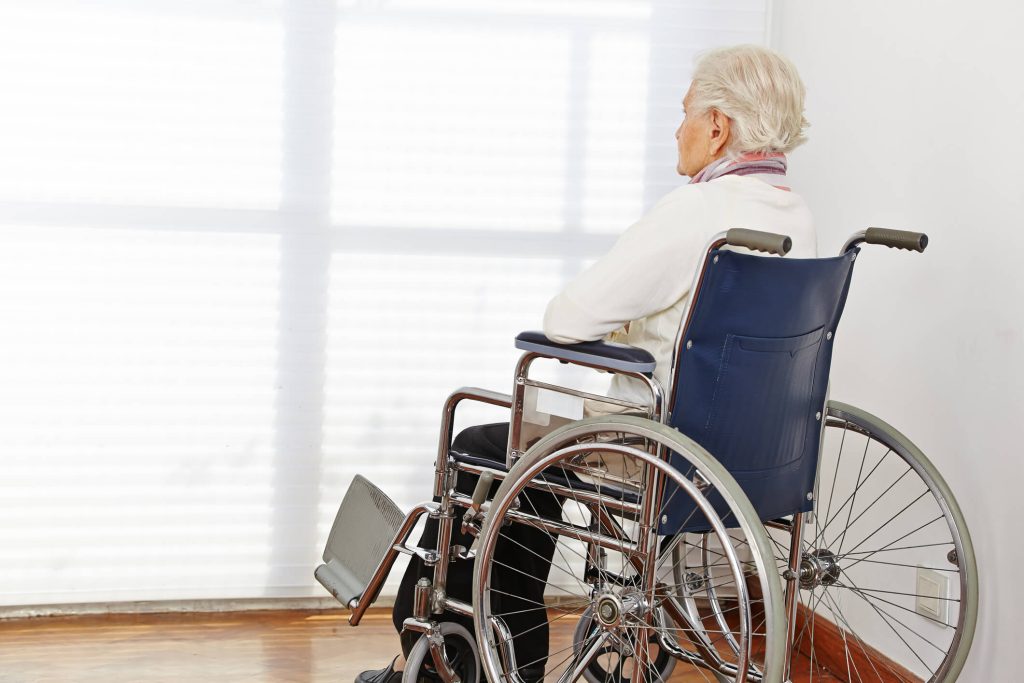
Families and visitors play a crucial role in identifying early warning signs of abuse. These can include:
- Sudden behavior changes
- Unexplained injuries
- Poor hygiene or clothing changes
- Fear of staff members
- Withdrawn or distressed behavior
- Complaints from friends or other residents
When these issues appear, we encourage families to document symptoms, gather information, take photographs of bruises or bedsores, and call our office for a consultation. Early action helps protect loved ones and strengthens any future injury case.
Legal Rights and Protections for Residents
Every resident has legally protected rights, including the right to dignity, safety, proper care, and freedom from abuse. When a facility violates these rights, families may file complaints, pursue compensation, or take legal action to hold the nursing home accountable.
Protected rights include:
- Access to necessary medical treatment
- Protection from intimidation or coercion
- Ability to participate in care planning
- Consent before restraints or medications
- Freedom from neglect, exploitation, and mistreatment
Our attorneys help families navigate these complex issues and ensure no right is overlooked during a review or investigation.
Strong Legal Support for Families Facing Nursing Home Abuse
At Nursing Home Injury Law Group, we stand with families who need guidance, justice, and compassionate support. When a loved one suffers nursing home abuse, the path forward can feel overwhelming, especially when dealing with facility representatives, insurance companies, or state authorities.
Our role includes:
- Investigating allegations and gathering documents
- Reviewing medical records, data, and facility history
- Identifying responsible parties
- Providing clear advice about steps to take
- Pursuing rightful compensation for injuries, suffering, or death
- Ensuring every victim receives proper protection
We understand the emotional and financial impact these situations create. Families trust us to advocate for victims, protect rights, and pursue actions that promote safety and accountability.
Taking Action Against Nursing Home Abuse
Families should never feel powerless when a resident suffers harm. Whether the case involves neglect, exploitation, sexual assault, manipulation, emotional mistreatment, or physical injuries, swift action helps ensure safety and justice.
Important steps include:
- Documenting injuries and symptoms
- Reporting concerns to authorities
- Saving financial records, valuable lists, or credit card statements
- Requesting a complete care plan review
- Call our office for a detailed, confidential consultation
Our attorneys provide clear guidance, strong representation, and unwavering support every step of the way. Abuse in nursing homes is unacceptable, and we are committed to safeguarding every resident’s dignity, rights, and well-being.
Frequently Asked Questions
1. What makes particular residents more vulnerable to nursing home abuse?
Residents with mobility limits, cognitive decline, or medical needs may rely heavily on staff, increasing vulnerability. Isolation, communication difficulties, and understaffing also raise risk.
2. How quickly can abuse-related injuries develop in a nursing home?
Injuries like bruises or cuts can appear immediately, while bedsores, weight loss, or infections develop over days or weeks when care is neglected or improperly provided.
3. Can abuse occur during routine caregiving tasks?
Yes. Mistreatment often happens during bathing, dressing, feeding, medication handling, or mobility support, especially when staff use force, rush tasks, or fail to follow care plans.
4. Are other residents sometimes responsible for abuse?
Yes. Inadequate supervision can allow resident-to-resident aggression, including physical, sexual, or verbal mistreatment, especially among individuals with cognitive impairments.
5. How does understaffing increase the likelihood of abuse?
Staff shortages lead to delayed responses, rushed care, missed medications, and neglect of basic needs. Fatigued or overwhelmed employees may also show frustration or poor behavior.
6. Can unexplained emotional changes be a sign of abuse?
Absolutely. Sudden fearfulness, withdrawal, anxiety, or avoidance of certain staff members may indicate emotional, physical, or sexual mistreatment even without visible injuries.
7. What should families document when they suspect abuse?
Photograph injuries, save medical and financial records, write down observations, and log conversations with staff. Detailed documentation strengthens any future claim.
8. How soon should families report suspected abuse?
Immediately. Reporting concerns promptly helps protect the resident, preserves evidence, and alerts authorities or administrators before further harm occurs.
9. Can abuse occur even in highly rated nursing homes?
Yes. Even well-reviewed facilities experience incidents due to staffing issues, poor oversight, or individual staff misconduct. Ratings do not guarantee consistent safety.
10. What legal protections apply to residents experiencing abuse?
Residents have rights to safety, dignity, medical care, and freedom from mistreatment. Families may pursue complaints, investigations, or compensation through legal action.