
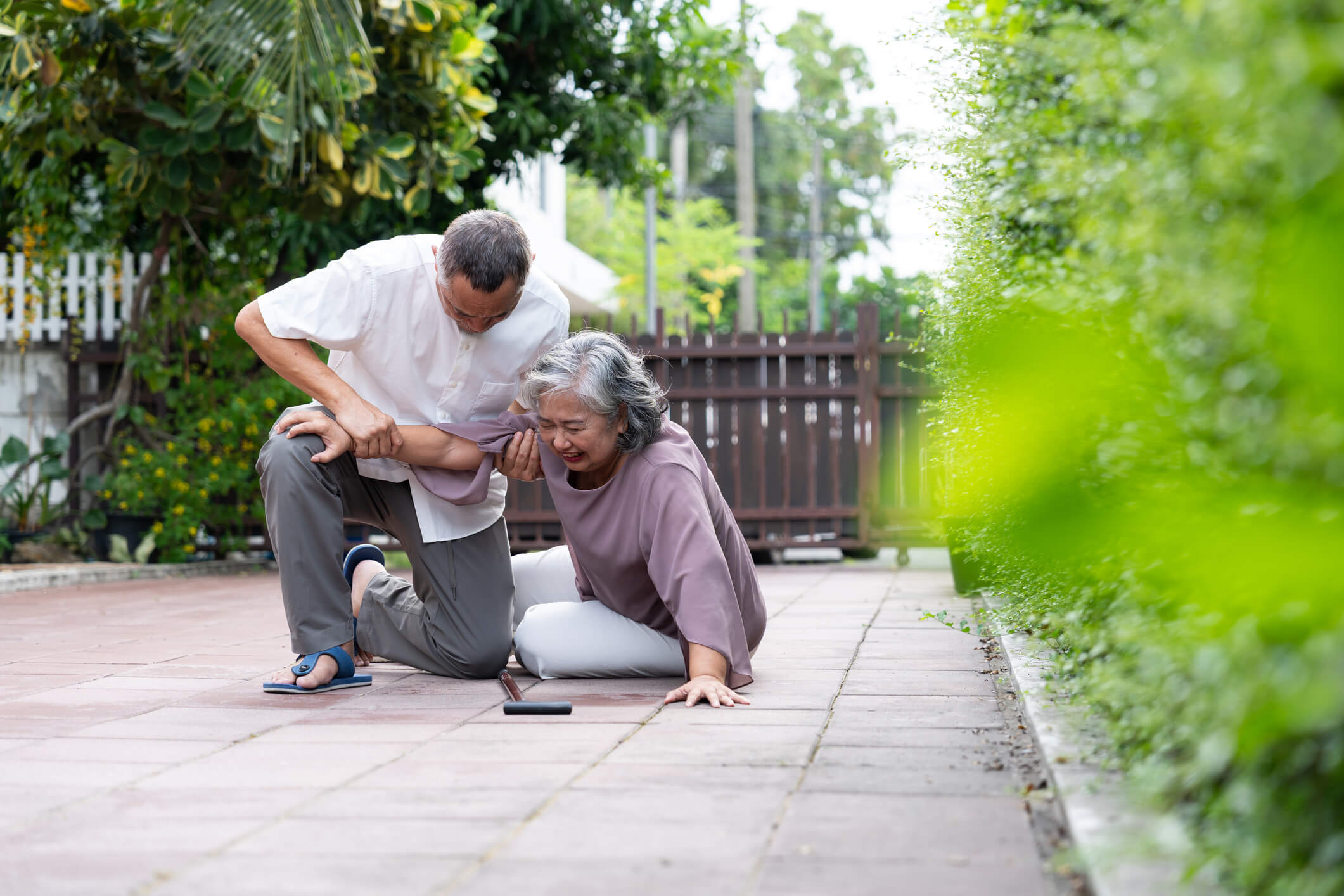
Preventing falls in nursing homes is one of the most important ways to protect the health and well-being of elderly residents. Older adults are particularly vulnerable to serious injuries, fractures, and even death, making fall prevention a critical priority. Understanding the causes of falls, recognizing changes in a patient’s health, and taking appropriate precautions can significantly reduce risk. A comprehensive fall prevention plan, informed by each resident’s unique needs and medical history, is essential to safeguard their safety and preserve their quality of life.
At Nursing Home Injury Law Group, we are dedicated to helping families navigate the challenges that arise when a loved one experiences a fall. We provide guidance on interpreting medical evaluation results, identifying potential lapses in care, and advocating for accountability when negligence leads to harm or loss. By raising awareness of risk factors and promoting proactive strategies, we empower families and caregivers to protect patients and ensure that nursing homes uphold the highest safety standards.
Identifying Risk Factors for Falls
Falls in nursing homes often result from a combination of risk factors, and understanding these factors is critical to effective prevention. We carefully evaluate the environment, including floors, lighting, and walkways, as well as resident-specific risks such as impaired mobility, dizziness, balance issues, and medications that affect gait or strength. Staff training and supervision are equally vital to mitigate these risks.
Our team considers polypharmacy, sedative use, hypotension, and other medical conditions that contribute to fall risk. We also examine history, prior incidents, and cognitive impairments like dementia that increase the likelihood of accidents. Awareness of these risk factors allows us to advocate for targeted interventions and better care plans that prioritize resident safety.
Implementing Comprehensive Fall Prevention Measures
We support a multi-faceted approach to fall prevention that addresses the individual needs of each patient. This includes regular risk assessment, a comprehensive medication review, and evaluation of physical, environmental, and behavioral factors. By using evidence-based tools and identifying early signs of fall risk, care teams can set clear goals and develop targeted interventions. Implementation of these strategies requires adequate resources, staff training, and ongoing monitoring to ensure that prevention measures are effective in each case.
Exercise programs, such as tai chi or supervised mobility activities, are practical interventions that strengthen balance and gait, helping patients maintain independence and reduce the risk of injury. Environmental modifications, including proper footwear, mats, and handrails in hallways and bathrooms, further support safety. Across cases, consistent implementation of these strategies—combined with patient-centered assessments and tailored interventions—ensures that fall prevention remains a proactive and measurable part of resident care.
Monitoring and Evaluating Resident Safety
Monitoring residents is essential to maintaining safety and preventing injuries among the adult and elderly population. We advocate for regular screening and assessments that evaluate mobility, strength, balance, and overall condition, helping to identify early signs of fall risk. These evaluations inform individualized care plans and guide targeted interventions tailored to each resident’s age, health status, and functional abilities. Tools such as gait analysis, strength tests, and observational checklists serve as practical examples to support accurate assessment and effective intervention planning.
Data collection and review are critical for improving fall prevention strategies and achieving better outcomes. We examine incident reports, supervision records, and results from studies or trials to identify patterns that may indicate systemic issues or risks leading to injuries and deaths. Reviews consider both individual residents and the broader facility population, including factors such as footwear, environmental hazards, and behavioral changes. By integrating research and real-world experience, we ensure that prevention efforts are proactive, measurable, and tailored to the needs of individuals in long-term care.
Improving the Nursing Home Environment
Environmental hazards are a leading cause of falls in nursing homes. Poor lighting, uneven flooring, cluttered walkways, and the lack of safety devices such as grab bars and handrails can significantly increase fall risk. Studies show that simple components, such as properly placed handrails and non-slip flooring, can drastically reduce accidents. We work with families to ensure that nursing homes implement these measures and consider other factors, such as walkers, appropriate shoes, and bathroom safety, to protect residents, particularly upon admission, when people may be most vulnerable.
Proper facility maintenance, including clear walkways and non-slip flooring, is essential for reducing falls and improving outcomes. Incorporating mobility aids, conducting regular equipment checks, and addressing environmental risks linked to chronic diseases or age-related conditions are key interventions. Families often ask, “Is a nursing home liable for falls?” Sharing research-based facts and real-world experience helps staff understand why some hazards are more dangerous than others, empowering facilities to create a safer environment and enhance the overall quality of care for residents while highlighting accountability.
Creating Individualized Care Plans
Fall prevention plans must be personalized. We emphasize developing care plans that consider each resident’s medical history, medications, mobility, vision, and cognitive function. Staff training on implementing these plans ensures that interventions are consistent and effective.
Exercise programs, strength training, and supervised activities are integrated into care plans to support balance and mobility. Regular evaluation of residents’ responses to these interventions allows adjustments that maintain effectiveness and address emerging risks. Our team helps families understand and advocate for the best possible care strategies.
Addressing Medication-Related Risks
Medications play a significant role in falls among nursing home residents. Polypharmacy, sedatives, antihypertensives, and other drugs can cause dizziness, hypotension, or impaired balance. We prioritize medication reviews to reduce adverse effects and minimize fall risk.
Our approach includes communicating with nursing staff and physicians to adjust medications when necessary. By identifying drugs that may contribute to instability, we help facilities implement safer regimens and prevent injuries that could otherwise result from medication-induced falls.
Enhancing Staff Training and Supervision
Practical staff training is crucial to fall prevention. We advocate for comprehensive programs that educate nurses, caregivers, and support staff on risk assessment, proper use of mobility devices, and safe handling of residents.
Supervision ensures that residents receive timely assistance with activities such as walking, bathing, and transferring from bed to wheelchair. We work to hold facilities accountable when a lack of supervision contributes to accidents, emphasizing that proper staffing and training save lives.
Implementing Evidence-Based Interventions
We support interventions grounded in research and evidence. Studies have shown that multi-component programs—including exercise, environmental modifications, and staff training—significantly reduce falls in nursing homes.
Our team evaluates the effectiveness of interventions, such as mats, handrails, bed rails, and assistive devices. We also consider programs such as tai chi, strength training, and balance exercises to improve mobility and reduce residents’ fear of falling. Evidence-based strategies are central to our approach to prevention.
Educating Residents and Families
Education is a vital component of fall prevention. We provide residents, families, and staff with information about fall risks, safe practices, and preventive strategies. Awareness campaigns, signage, and training sessions empower individuals to participate actively in safety measures.
We encourage families to engage with care plans, ask questions about interventions, and review outcomes. By fostering communication and understanding, we help ensure that residents receive consistent support and protection.
Using Data and Technology to Reduce Risk
Data-driven approaches enhance fall prevention. We support the use of monitoring systems, assessment tools, and documentation to track incidents, evaluate interventions, and identify trends.
Technological tools such as fall detection devices, alarms, and wearable monitors provide real-time insights into resident activity and safety. By leveraging data, we can help facilities implement targeted measures that prevent injuries and improve outcomes.
Addressing Common Hazards in Nursing Homes
Falls often result from easily preventable environmental hazards. Wet floors, clutter, poor lighting, and inadequate equipment contribute to accidents. We focus on assessing these risks and advocating for corrective action.
In addition to environmental measures, we consider resident-specific factors such as vision impairment, mobility limitations, and balance issues. Addressing both environmental and personal risks provides a comprehensive approach to fall prevention.
Supporting Residents with Cognitive Impairments
Dementia and other cognitive impairments increase the risk of falls. Confusion, agitation, and disorientation can lead to accidents even in supervised settings. We emphasize the importance of tailored interventions, including supervision, structured routines, and environmental modifications.
Care plans for residents with cognitive impairments often include exercise programs, handrails, and assistive devices to support movement safely. Our team ensures these interventions are implemented effectively and consistently monitored.
Responding to Falls and Improving Outcomes
Even with robust prevention strategies, falls may still occur. We assist families in understanding the circumstances surrounding each incident, reviewing facility policies, and advocating for improvements.
Post-fall evaluations include examining the environment, the care plan, staff response, and the resident’s condition. By identifying contributing factors, we help prevent future falls and ensure that facilities implement corrective measures.
Reducing Hip Fractures and Severe Injuries
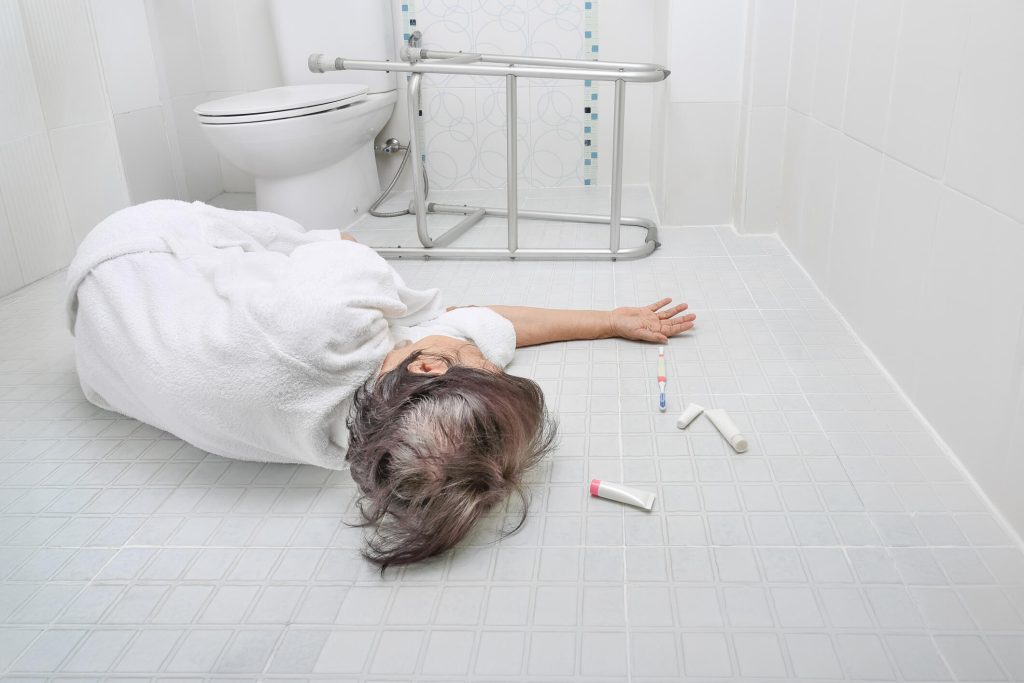
Hip fractures and other serious injuries are common consequences of nursing home falls. We work to reduce these outcomes by promoting evidence-based interventions, environmental improvements, and comprehensive care plans.
Strengthening exercises, balance programs, and proper use of mobility devices decrease the likelihood of severe injuries. Our advocacy focuses on ensuring that facilities maintain high safety standards to protect residents from life-altering consequences.
Enhancing Quality of Life Through Safety
Fall prevention is not just about reducing injuries; it also enhances residents’ quality of life. When residents feel safe, they can maintain independence, participate in activities, and engage more fully in social and physical programs.
We emphasize strategies that support mobility, confidence, and overall well-being. By integrating safety measures with personalized care, we help residents live fulfilling lives while minimizing risk.
Collaborating with Families and Care Teams
Communication between families and nursing home staff is essential for effective fall prevention. We encourage open dialogue about care plans, interventions, and resident needs.
Our team works alongside families to ensure that facilities implement evidence-based strategies, monitor outcomes, and address concerns promptly. Collaboration helps create a safer environment and improves accountability for resident care.
Advocating for Stronger Safety Protocols
We hold nursing homes accountable when lapses in care contribute to falls and injuries. By reviewing policies, evaluating staff training, and assessing environmental measures, we advocate for stronger safety protocols.
Our goal is to ensure that facilities meet high standards for supervision, equipment, and resident support. Through legal advocacy and education, including guiding families on suing a nursing home for a fall when negligence occurs, we work to prevent injuries and promote safer care for all residents.
Preventing Falls Through Comprehensive Programs
Fall prevention programs that combine multiple strategies are the most effective. We support programs that include staff training, environmental modifications, exercise and mobility activities, and individualized care plans.
By implementing comprehensive interventions, nursing homes can reduce incidents of dizziness, imbalance, and fractures. Our team helps facilities adopt these programs and ensures that residents receive consistent, high-quality care.
Evaluating Outcomes and Continuous Improvement
Continuous evaluation is key to effective fall prevention. We review outcomes, assess program effectiveness, and recommend improvements to enhance resident safety.
Monitoring falls, injuries, and near-miss incidents allows facilities to refine interventions and implement evidence-based practices. Our commitment is to ensure that residents benefit from the latest safety strategies and that facilities remain accountable for their care standards.
Conclusion: Commitment to Resident Safety
At Nursing Home Injury Law Group, we are dedicated to protecting residents from falls and related injuries. By understanding risk factors, implementing evidence-based interventions, improving the environment, and promoting staff training and supervision, we help nursing homes create safer spaces for adults in their care.
Our approach is comprehensive, combining assessment, prevention, education, and advocacy to minimize the risks of falls. We work closely with families, staff, and facilities to ensure that every resident receives the support and protection they deserve. Through proactive fall prevention, we can reduce injuries, improve quality of life, and hold facilities accountable when care standards are not met.
Frequently Asked Questions (FAQs)
How does nutrition affect fall risk in nursing home residents?
Poor nutrition, vitamin D deficiency, or dehydration can weaken muscles and bones, increasing the likelihood of falls. Addressing dietary needs is an essential component of prevention plans.
Can vision or hearing problems contribute to falls?
Impaired vision or hearing can affect balance and spatial awareness, increasing residents’ risk of accidents. Regular screening and corrective measures (such as glasses and hearing aids) are essential.
Are there specific fall prevention strategies for residents with multiple chronic diseases?
Residents with diseases such as diabetes, arthritis, or Parkinson’s may need tailored interventions, including mobility aids, medication adjustments, and specialized exercise programs.
How do psychological factors like fear of falling influence risk?
Anxiety about falling can reduce activity levels, causing muscle weakness and impaired balance. Interventions like confidence-building exercises and supervised mobility can help.
What role do social and recreational activities play in fall prevention?
Engagement in group exercises, recreational therapy, or walking programs can improve strength, coordination, and balance, while also enhancing overall well-being.
How often should fall risk assessments be conducted?
Fall risk assessments should be ongoing, with formal screenings at admission, after any fall, and periodically based on changes in health, medications, or mobility.
Can technology help prevent falls?
Wearable monitors, bed and chair alarms, and motion sensors can alert staff to residents at risk, enabling faster intervention and reducing the likelihood of injury.
What is the role of footwear in preventing falls?
Proper, well-fitting shoes with non-slip soles can stabilize gait and reduce slipping. Ill-fitting shoes, socks without grips, or slippery slippers can significantly increase risk.
How do transitions of care affect fall risk?
Changes such as hospital discharge or admission to a nursing home can increase fall risk due to unfamiliar surroundings, new medications, or altered routines. Extra supervision and orientation are critical during these transitions.
Are there legal considerations if a fall occurs in a nursing home?
Families may have the right to review incident reports, request care plan updates, and pursue advocacy if negligence contributed to a fall. Understanding resident rights is key to ensuring accountability.