
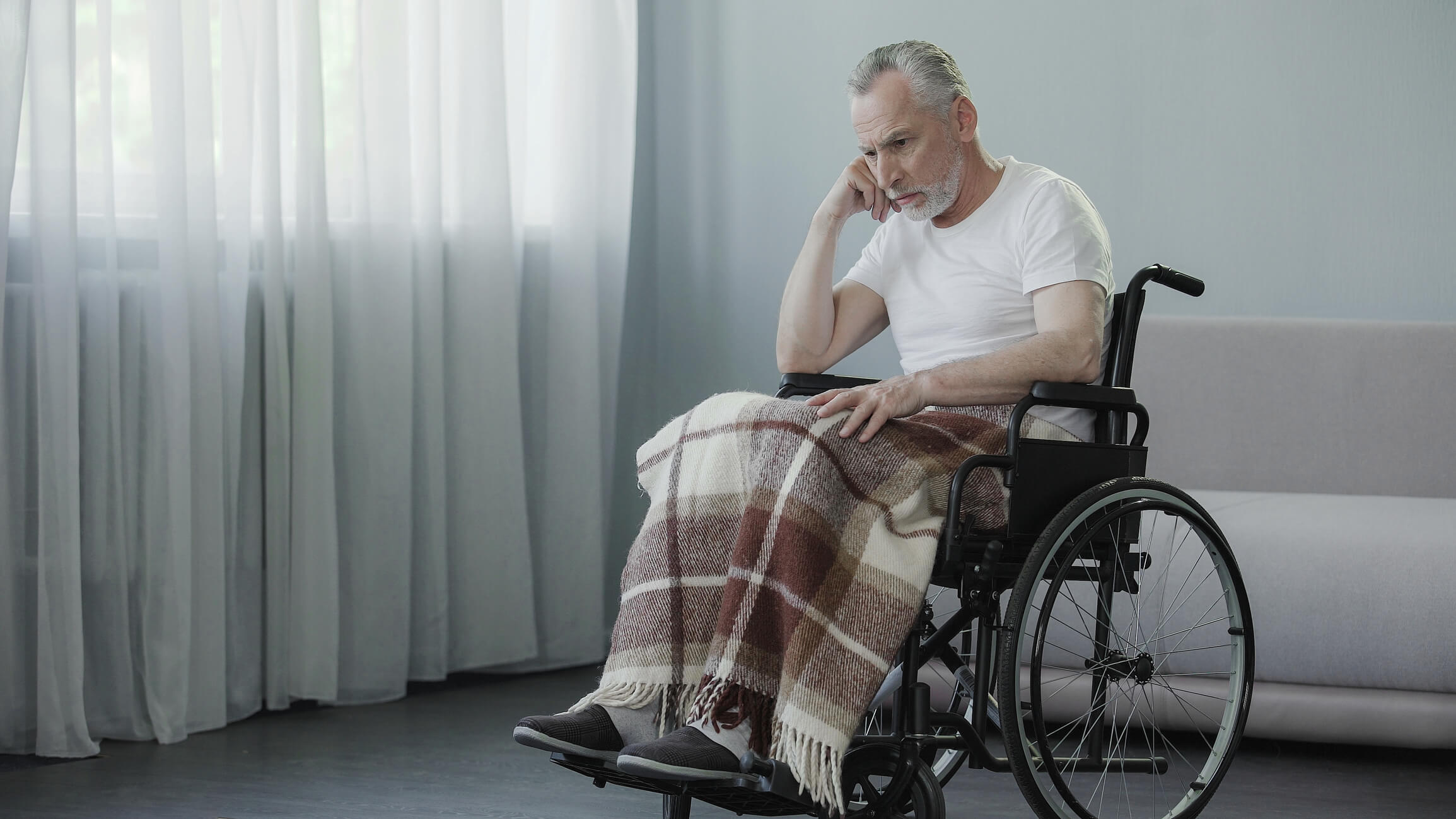
Nursing homes are meant to provide safety, care, and support for residents, but injuries from neglect, abuse, or unsafe practices remain common. Families often notice changes in behavior, appearance, or health that indicate potential harm. Recognizing these early warning signs—such as unexplained bruises, sudden weight loss, pressure sores, or confusion—can prevent serious injury and ensure residents receive proper care. Staying vigilant and informed is the first step in protecting loved ones and holding facilities accountable.
Nursing Home Injuries Explained
Nursing homes are meant to protect residents, provide care, and ensure safety. Unfortunately, many facilities fail to meet these expectations, resulting in serious injuries caused by neglect, infection, an unsafe environment, or nursing home abuse. Families often notice subtle changes in their loved one’s behavior, appearance, or overall health that indicate potential harm. Close monitoring and attention to these warning signs are essential to prevent further injury and protect victims.
Recognizing these issues early is crucial for both the well-being of a loved one and any subsequent legal action. By documenting concerns and understanding the risks associated with inadequate care, families can effectively advocate for their loved ones and hold facilities accountable. Awareness of infection, an unsafe environment, and signs of abuse helps ensure victims receive prompt attention and the proper support they need.
Leading Causes of Falls and Fractures
Falls are one of the most common causes of injury among nursing home residents and a leading reason for nursing home liability for falls. In many cases, poor supervision, an unsafe environment, cluttered walkways, or a lack of mobility assistance increases the risk that a person may fall. These incidents can take many forms, resulting in fractures, broken bones, concussions, or other serious injuries. A fall can also significantly impact a person’s quality of life, potentially leading to long-term disability or emotional distress. People living in these facilities, as well as their families, should watch for warning signs—such as changes in skin, difficulty with food or nutrition intake, or hesitation to move—because noticing something unusual early can prompt consultation and help prevent further harm. Nursing homes are designed to be a safe environment, but when someone falls, it may indicate lapses in care that require immediate attention.
The Danger of Pressure Sores and Bedsores
Bedsores, also known as pressure sores or ulcers, develop when residents remain in one position without proper care and are a common reason to consult a Bed Sore Lawyer. These painful wounds can take different forms and typically appear on areas such as the hips, back, or heels. Early signs include redness, tenderness, or changes in the skin, which are particularly concerning for older adults. Recognizing these warning signs promptly can prevent serious complications and support a case of neglect if one arises.
If left untreated, bedsores can lead to severe infections, sepsis, and even death. Proper prevention requires attentive staff, regular repositioning, and clean bedding. Understanding the types and early signs of bedsores is essential for families monitoring the care of their loved ones, ensuring timely intervention, and protecting residents from further harm.
Malnutrition and Dehydration as Red Flags
Nutrition and hydration are critical for maintaining a resident’s health, and neglect in these areas is a common form of nursing home neglect that may require consulting a Las Vegas Malnutrition and Dehydration Lawyer. Malnutrition can take different forms, leading to weight loss, weakness, depression, or immune system failure, while dehydration may confuse, urinary tract infections, kidney problems, and other serious consequences. Early signs of decline in a loved one’s condition should not be ignored.
Proper treatment and attention from staff members are essential to prevent further harm. Families should closely monitor meals, water intake, and overall health, as sudden declines may signal neglect and warrant further investigation. Understanding the types and signs of malnutrition or dehydration gives families options for intervention, documentation, and, if necessary, legal action with attorneys to protect their loved one.
The Risk of Medication Errors
Medication errors are preventable but remain widespread among nursing home residents. A missed dose, incorrect prescription, or improper administration can affect any area of the body, causing confusion, organ damage, or even fatal reactions. A sudden unexplained change in medication, inconsistent records, or other red flags may indicate negligence by a caregiver or facility, putting both the resident’s health and financial situation at risk.
Families noticing this warning sign should understand their options, as such a situation may form the basis of a lawsuit. Consulting a Las Vegas Nursing Home Medication Error Attorney can help review the case, investigate the circumstances, and determine whether legal action is appropriate to protect the rights and well-being of a loved one.
Infections That Threaten Resident Safety
A nursing home resident can develop infections from poor hygiene, untreated wounds, or unsanitary conditions within a care facility. Pressure ulcers, for example, can become infected if caregivers fail to provide proper attention, and such neglect may result in severe conditions like urinary tract infections, pneumonia, or sepsis. These infections are hazardous for elderly residents with weakened immune systems. If left untreated, the situation can escalate quickly, leading to hospitalization, death, or the involvement of law enforcement when neglect or abuse is suspected. Families should monitor both the resident’s health and their money to ensure that the care facility is meeting the resident’s needs.
Abuse and Exploitation in Nursing Homes
Some of the most alarming cases in an assisted living facility involve intentional harm to a nursing home resident. Physical abuse can cause bruises, burns, or fractures to areas like the arms and hands, while sexual assault leaves both physical and emotional trauma. Exploitation—whether financial or emotional—robs residents of dignity and violates their rights. Warning signs include sudden mood changes, withdrawal, or fear around staff. Problems often stem from low staffing levels, lack of team coordination, or inadequate supervision during activities, which can lead to accidents. Parents and clients should be aware that even a single incident can have a significant impact on an individual, and reporting concerns to the office, authorities, or legal representatives is crucial. Unfortunately, such elder abuse remains a serious problem across the country.
Warning Signs Families Should Monitor
Families must remain alert to symptoms and changes that suggest neglect or abuse. Common warning signs include:
- Bruises, cuts, burns, or unexplained injuries.
- Sudden weight loss, dehydration, or malnutrition.
- Poor hygiene, soiled clothing, or unsafe living conditions.
- Pressure sores or untreated wounds.
- Restraint marks or signs of force.
- Unexplained medical bills or missing funds.
- Behavioral changes such as depression, anxiety, or confusion.
Early detection enables families to take action before injuries worsen.
The Critical Role of Family Members
Loved ones play a crucial role in ensuring the safety and well-being of nursing home residents. Parents and family members who frequently visit and observe activities—even those in a wheelchair- can notice early signs of health issues or different kinds of abuse, including sexual abuse. Asking direct questions about care, reviewing the resident’s room, and monitoring transactions or other financial activities help ensure the facility remains compliant and protects both the resident’s and client’s interests. Early detection at this stage can prevent problems from escalating and safeguard the resident from harm.
Family members should also document examples of any concerning behavior or incidents, including accidents, unusual interactions with staff, or changes in care routines. Understanding the expertise and role of caregivers, along with monitoring parties involved in care and any related profits or incentives, helps families advocate effectively. Staying attentive, asking questions, and escalating concerns when answers are vague ensures patients receive proper attention and support throughout their stay in the facility.
Resident Rights Under State and Federal Law
Nursing home residents are entitled to certain rights, including safe conditions, adequate care, privacy, and dignity. Facilities must remain compliant with all applicable laws and regulations. Residents with dementia or paralysis are particularly vulnerable, making proper management, programs, and attentive care critical at every location. No one should have corners cut when it comes to monitoring health issues, such as urine problems, or providing an appropriate response to daily needs.
Residents and their families also have the right to report mistreatment without fear of retaliation, and a care ombudsperson can be contacted if concerns are not addressed. Regular visits, touch, and observation help families ensure that actions taken by staff meet legal and ethical standards. When these rights are violated, families have clear legal grounds to take action against the facility, protecting their loved one and holding management accountable for negligence or abuse.
Legal Remedies for Nursing Home Negligence
Families affected by nursing home negligence may pursue compensation through legal action. Remedies can include:
- Reimbursement for medical bills and care expenses.
- Compensation for pain, suffering, and emotional distress.
- Wrongful death claims occur when neglect results in the loss of life.
- Punitive damages in cases of extreme abuse or willful misconduct.
The Nursing Home Injury Law Group can guide families through the process of filing a claim, gathering evidence, and seeking justice.
Systemic Problems That Lead to Injuries
Nursing home injuries often stem from larger systemic issues, such as:
- Understaffing and inadequate training.
- Poor supervision and lack of accountability.
- Profit-driven cost-cutting measures.
- High staff turnover and inconsistent care.
- Failure to follow established safety protocols.
Recognizing these problems helps families understand why injuries occur and what can be done to prevent them.
The Importance of Documentation
Accurate documentation is vital in both medical and legal contexts. Facilities should record all medications, treatments, incidents, equipment usage, and restraints. Missing, altered, or incomplete records can serve as indicators of negligence, including fractures or improper isolation of residents. Families should also keep their own records, including notes, photographs, and other relevant information, to support complaints or legal claims, ensuring they have clear evidence if a case arises.
Practical Steps to Protect Residents
Families can take proactive measures to reduce risks:
- Visit loved ones regularly and without notice.
- Speak directly with staff about care plans.
- Monitor meals, hydration, and medication routines.
- Report any suspicious injuries or sudden changes in behavior.
- Contact the authorities or an ombudsperson when concerns remain unaddressed.
Taking these steps ensures ongoing accountability and reinforces resident safety.
When to Contact an Attorney
If a resident suffers an unexplained injury, neglect, or abuse, families should consult an attorney immediately. A law firm specializing in nursing home negligence can:
- Investigate records and facility practices.
- Consult medical experts to confirm the causes of injury.
- File claims for damages and pursue justice.
- Hold facilities accountable for unsafe conditions.
Seeking legal guidance provides both protection for the victim and a path to systemic reform.
Conclusion: Protecting Residents Through Vigilance and Action
Nursing home injuries—including falls, bedsores, malnutrition, infections, and abuse—represent serious violations of trust and safety. Families must remain vigilant, recognize warning signs, and act swiftly to protect loved ones. Nursing home staff and facilities have a duty of care, and when they fail to fulfill it, legal remedies are available.
The Nursing Home Injury Law Group is committed to fighting for justice, ensuring accountability, and protecting the dignity of nursing home residents. By staying informed and taking action, families can protect their loved ones from harm and contribute to improving standards across all care facilities.
Frequently Asked Questions
1. Can a family member file a complaint anonymously if they suspect nursing home abuse?
Yes. Most states permit anonymous complaints to be submitted to nursing home regulatory agencies or ombudspersons. While anonymity is possible, providing contact information can help authorities gather more details and follow up effectively.
2. What specific training should nursing home staff have to prevent falls and injuries?
Staff should be trained in safe transfer techniques, fall prevention strategies, the use of assistive devices, proper supervision, emergency response procedures, and recognizing the early warning signs of injury or health decline in residents.
3. How often should a resident’s care plan be updated to ensure proper monitoring?
Care plans should be reviewed and updated at least every 90 days, or immediately after any significant change in the resident’s condition, health, or mobility. Regular updates ensure proper monitoring and reduce the risk of injury.
4. What are the legal time limits for filing a nursing home negligence or abuse case?
The time limits, known as statutes of limitations, vary from state to state. Generally, families have one to three years from the date of injury or discovery of harm to file a lawsuit. Consulting an attorney promptly ensures claims are filed on time.
5. Are there government inspections or audits that families can review for a nursing home?
Yes. Nursing homes in the U.S. are subject to federal and state inspections, which are documented in publicly available reports. Families can review inspection results online through their state health department’s website or the Centers for Medicare & Medicaid Services (CMS) website.
6. How can technology or equipment help prevent injuries in nursing homes?
Equipment such as wheelchairs, walkers, lift devices, bed alarms, and monitoring systems helps prevent falls and other injuries. Technology can track movement, alert staff to high-risk situations, and improve overall resident safety.
7. What is the difference between abuse and neglect in a nursing home setting?
Abuse is the intentional harm of a resident, including physical, emotional, or sexual abuse. Neglect is the failure to provide necessary care, such as assistance with meals, hygiene, medication, or medical attention, which can result in harm over time.
8. How are residents with dementia or limited mobility monitored differently to prevent harm?
Residents with dementia or limited mobility require closer supervision, specialized care plans, adaptive equipment, and frequent staff checks. Monitoring may include more frequent rounds, alarms, or structured activity programs to reduce risks of falls, wandering, or injury.
9. What evidence is most effective in supporting a nursing home injury or neglect claim?
Adequate evidence includes medical records, photographs of injuries, staff logs, witness statements, video surveillance, and documentation of missed care or unsafe conditions. Accurate records help establish patterns of neglect or abuse.
10. What role do care ombudsman or patient advocates play in protecting residents?
Care ombudsman and patient advocates investigate complaints, monitor the quality of care, educate families about resident rights, and assist in resolving disputes. They act as independent oversight to ensure residents receive safe and proper care.