
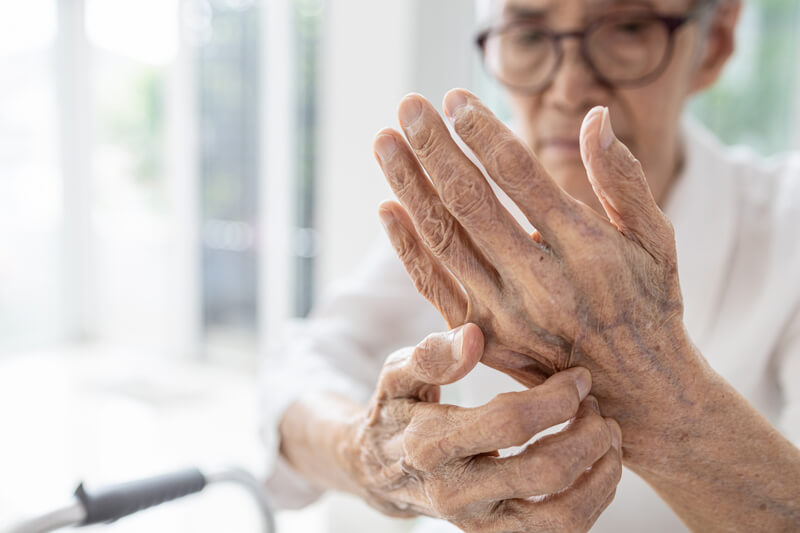
Nursing homes provide essential care for elderly residents, supporting their daily needs and chronic health conditions. However, the very nature of these facilities—close living quarters, shared spaces, and the presence of medical devices—places people and patients at higher risk for infection. The number of residents in a single place, combined with frequent visits from staff, families, and other visitors, creates opportunities for viruses, bacteria, and conditions such as scabies to spread rapidly. Proper sanitation and hygiene practices are critical, as even minor lapses in cleaning or handwashing can lead to outbreaks that affect multiple residents and staff.
The need for infection prevention in nursing homes extends beyond routine care, requiring coordinated services similar to those in hospitals. Each person in a facility can be exposed to pathogens through contaminated surfaces, shared equipment, or close contact with other residents. To protect residents, staff must disinfect high-touch areas thoroughly, maintain a clean environment, and monitor for early signs of illness. By addressing these risks proactively, nursing homes can reduce the prevalence of infections and safeguard the health and well-being of every patient in their care.
High Prevalence of Infections in Nursing Homes
Infections are a frequent and severe concern in nursing homes. Healthcare-associated infections (HAIs) occur at a higher rate in these care facilities compared to community environments. Data from multiple studies provide estimates of infection prevalence, showing that urinary tract infection is one of the most common forms affecting residents. The aging population, chronic diseases, and the regular use of medical devices such as catheters and feeding tubes amplify the prevalence. In many areas, a lack of consistent monitoring and standardized practices increases the risk of outbreaks. Infections can spread rapidly in a care facility, affecting not only residents but also staff and visitors, which can lead to a claim of neglect or inadequate infection prevention that impacts overall care quality.
Common Types of Nursing Home Infections
Several infections are particularly prevalent in nursing homes, each presenting unique challenges:
- Urinary Tract Infections (UTIs): UTIs are common, especially among residents who use catheters. The presence of urinary devices increases the risk of bacterial colonization and infection. UTIs can cause fever, pain, and changes in mental status, particularly in older adults.
- Pneumonia: Respiratory infections, including pneumonia, often affect residents with compromised immune systems. Symptoms such as chest pain, fever, and chills can lead to hospitalization and serious complications.
- Skin and Soft Tissue Infections: Conditions like cellulitis, pressure ulcers, and chronic wound infections are widespread in long-term care facilities. Skin breakdown and tissue damage create pathways for bacteria, including Staphylococcus aureus and enterococci, leading to infection.
- Gastrointestinal Infections: Diarrhea and gastroenteritis caused by Clostridium difficile (C. difficile) and norovirus are common. These infections are often contagious and can spread rapidly among residents through contaminated surfaces or poor hygiene practices.
- Influenza and Other Viral Respiratory Illnesses: The flu or another respiratory virus can be severe for the elderly population. Residents with chronic illnesses are particularly vulnerable, and outbreaks in nursing homes can lead to hospitalization and even death.
Key Risk Factors for Infections
Several factors make nursing home residents more susceptible to infections:
- Age and Chronic Illness: Aging weakens the immune system, and chronic conditions such as diabetes or heart disease increase susceptibility. The fact that elderly residents have multiple comorbidities contributes to a higher rate of infection and complications.
- Medical Devices: Catheters, feeding tubes, and other devices can introduce bacteria into sterile areas, increasing the risk of urinary tract infections, bloodstream infections, and other complications. The content of medical devices and the way they are managed play a crucial role in infection prevention.
- Incontinence and Skin Breakdown: Prolonged exposure to moisture from incontinence can damage the epidermis and lead to skin infections, pressure ulcers, and chronic wound infections, creating additional infection risks.
- Overuse of Antibiotics: Misuse of antibiotics can disrupt natural flora and promote resistant bacteria, making infections more challenging to treat.
- Staffing and Care Practices: Limited staffing or inadequate infection control training can increase exposure risk for residents and lead to gaps in monitoring and hygiene. In nursing facilities where these practices are lacking, cases of abuse or neglect can occur. Families with a loved one in such a facility may have questions about a particular case and might need to consult a lawyer to ensure proper care and accountability.
Consequences of Infections for Residents
Infections in nursing homes can have significant and lasting impacts on residents:
- Health Complications: Infections can worsen existing health conditions, cause dehydration and malnutrition, and increase the risk of death. Understanding the causes of infections and providing residents with accurate information about prevention is essential for effective care.
- Hospitalization and Healthcare Burden: Severe infections often require hospital transfers, exposing residents to further risks such as hospital-acquired infections. Proper hygiene, sanitation, and careful handling of medical devices and high-touch areas help reduce the spread of bacteria.
- Quality of Life Decline: Persistent infections and related complications reduce mobility, cause pain, and impair daily functioning, affecting overall life satisfaction. Controlling bacteria through hand hygiene and, when necessary, isolation of infected residents can prevent further spread within the facility.
- Antibiotic Resistance: Over time, frequent infections treated with antibiotics can promote resistant bacteria, making future infections more difficult to manage. Maintaining sanitation, consistent infection control measures, and staff awareness of hygiene protocols are key to minimizing these risks.
Effective Infection Prevention Strategies
Preventing infections in nursing homes requires a comprehensive and ongoing approach. Key measures include:
- Hand Hygiene: Regular handwashing by staff, residents, and visitors is essential to reduce the spread of germs. Healthcare workers must consistently follow proper handwashing protocols.
- Personal Protective Equipment (PPE): Gloves, gowns, and masks help prevent transmission of infections, especially during outbreaks or when handling vulnerable residents.
- Environmental Cleaning: Regular disinfection of high-touch surfaces, shared equipment, and resident areas reduces bacterial and viral presence.
- Vaccination Programs: Immunizations for influenza, pneumococcus, and other preventable diseases protect residents from severe illness.
- Monitoring and Early Detection: Regular health checks, including monitoring for fever, changes in behavior, or skin lesions, allow for early detection of infections and timely treatment.
- Antibiotic Stewardship: Careful use of antibiotics, guided by medical evaluation and sensitivity testing, helps prevent resistance and ensures effective treatment.
- Isolation Protocols: In the event of contagious diseases such as norovirus or influenza, isolating infected residents helps contain the spread to others in the facility.
Staff Roles in Infection Control
Healthcare workers are critical to preventing infections in nursing homes:
- Education and Training: Ongoing training in infection control practices ensures staff understand risks, signs, and prevention measures. This includes information about how the immune system responds to infections and the role of vaccination in protecting residents.
- Adherence to Protocols: Strict adherence to cleaning, hygiene, and monitoring protocols reduces infection transmission. Effective monitoring of both the environment and residents helps detect early signs of illness and prevent outbreaks.
- Resident Care Practices: Proper wound care, catheter management, and feeding tube hygiene prevent device-related infections. Staff also need to be aware of how the resident’s immune system and underlying health conditions can impact infection risk.
- Communication: Clear reporting of symptoms, exposure, and outbreaks allows for immediate intervention and containment. Maintaining open communication ensures the healthcare system within the facility responds quickly to protect residents and maintain a safe environment.
Environmental and Facility Challenges

The nursing home environment presents unique challenges for infection prevention:
- Shared Spaces: Dining areas, therapy rooms, and recreational spaces increase opportunities for germ transmission.
- Resource Limitations: Limited staffing or funding can impact the ability to maintain strict hygiene protocols and proper monitoring.
- Regulatory Compliance: Facilities must balance resident care with adherence to evolving regulations, which may complicate infection prevention efforts.
- Resident Population Complexity: The combination of chronic diseases, weakened immunity, and frequent device use necessitates individualized infection control strategies.
Legal Considerations and Resident Protection
Residents have the right to safe, high-quality care, and infection prevention is a vital part of that responsibility. When neglect or lapses in infection control occur, families can turn to a Las Vegas Nursing Home Infections Lawyer for advice and support in protecting their loved one. Families and loved ones should be aware of residents’ rights, including the right to:
- Safe Living Conditions: Facilities must provide an environment that minimizes infection risk through hygiene, staffing, and monitoring practices.
- Timely Medical Care: Early detection and treatment of infections are essential to prevent complications.
- Accountability: In cases of negligence or outbreak due to lapses in infection control, families may pursue legal recourse for compensation and improved care standards.
Understanding the legal implications of nursing home infections highlights the need for strict infection prevention and oversight, and the Nursing Home Injury Law Group can assist families in addressing potential negligence and safeguarding their loved ones.
Conclusion
Infections in nursing homes pose significant health risks to a vulnerable population. Common infections such as UTIs, pneumonia, skin and soft tissue infections, gastrointestinal illnesses, and influenza can result in severe complications if left unchecked. Risk factors like age, chronic illness, device use, and inadequate staffing increase susceptibility. At the same time, effective prevention strategies—hand hygiene, PPE, environmental cleaning, vaccination, monitoring, and antibiotic stewardship—can dramatically reduce infection rates.
Staff, families, and facility management all play vital roles in protecting residents. Through education, diligent care practices, and consistent adherence to infection control protocols, nursing homes can create a safer environment, improve residents’ quality of life, and prevent the devastating consequences of preventable infections.
Frequently Asked Questions
1. How often should nursing homes monitor residents for signs of infection?
Regular monitoring is essential. Residents should be checked daily for symptoms such as fever, changes in behavior, skin lesions, or urinary problems to allow early detection and treatment.
2. What role do visitors play in preventing infections in nursing homes?
Visitors can introduce or spread pathogens. Encouraging hand hygiene, limiting visits during outbreaks, and educating visitors on infection control practices are essential preventive measures.
3. Can vaccinations for staff help prevent outbreaks in nursing homes?
Yes. Vaccinating healthcare workers against influenza, COVID-19, and other contagious diseases reduces the risk of transmission to vulnerable residents.
4. How should nursing homes handle residents with contagious infections?
Isolation protocols should be used when residents are infected with viruses, bacteria, or other communicable conditions. This includes designated areas, PPE use, and minimizing contact with other residents.
5. What environmental cleaning practices are most effective in nursing facilities?
High-touch surfaces, shared equipment, and common areas should be regularly disinfected. Using appropriate cleaning agents and following standardized sanitation protocols helps reduce the spread of infection.
6. How can family members help prevent infections in their loved ones?
Families can encourage proper hand hygiene, ask about vaccination status, report any observed hygiene lapses, and ask questions about infection prevention protocols in the facility.
7. What are the early signs of a urinary tract infection in elderly residents?
Symptoms may include fever, pain or burning during urination, sudden confusion, and changes in urinary habits. Prompt reporting and treatment are critical to prevent complications.
8. How does the staff-to-resident ratio affect infection control?
Low staffing levels can increase infection risk due to inadequate monitoring, delayed care, and lapses in hygiene or sanitation practices. Ensuring adequate staffing is crucial for prevention.
9. Are certain areas of a nursing home higher risk for infections?
Yes. Common high-risk areas include shared dining rooms, therapy areas, bathrooms, and resident rooms with medical devices. These areas require more frequent cleaning and monitoring.
10. What legal options are available if a loved one contracts a preventable infection in a nursing facility?
Families may file a claim if negligence or abuse contributed to the infection. Consulting a lawyer who specializes in nursing home cases can help determine accountability and seek compensation for harm caused.