

Nursing home negligence happens when a care facility and its staff fail to meet the basic standards necessary to protect a resident’s well-being. Elderly residents often rely on caregivers for essentials such as food, water, hygiene, medication management, and medical attention. When these needs are not met, the consequences can be severe—ranging from malnutrition and infections to emotional distress and loss of dignity. Negligence is not just a lapse in service; it is a serious breach of trust that can cause lasting harm to vulnerable individuals.
Families place their loved ones in nursing homes with the expectation of safety, compassion, and competent care. Across the United States, however, cases of neglect continue to emerge, highlighting issues like understaffing, inadequate training, and poor supervision. Recognizing early signs—such as sudden weight loss, unexplained injuries, or behavioral changes—can help families take prompt action to protect residents. Understanding what constitutes nursing home negligence is the first step toward addressing the problem and ensuring accountability.
Understanding Nursing Home Negligence
Nursing home negligence occurs when a nursing home, its staff, or caregivers fail to meet the accepted standard of care, causing harm to residents. This violation of duty undermines the protection residents depend on and can arise from a single incident or ongoing neglect. Such failures should be documented through a report to the proper authorities, especially when there are questions about the safety or well-being of a loved one. This form of neglect or abuse can lead to injuries, illnesses, emotional distress, and even death. When negligence occurs, seeking guidance from an attorney through an initial consultation can help families understand their legal options and protect the rights of residents. Nursing home negligence can affect any resident, including elderly patients, individuals with Alzheimer’s disease, or those requiring special assistance.
In a nursing facility, every resident has rights to safety, dignity, and respect. When these rights are violated, whether through neglect, abuse, malpractice, or failure to meet health and safety standards, the result can be devastating for the resident and their loved ones. A responsible caregiver, along with the employees of the facility, must work together to maintain the highest level of care, ensuring that each adult resident retains their ability to live with comfort and security. In many cases, a doctor and others in the medical team play an important role in identifying neglect or abuse early. The World Health Organization recognizes elder abuse, including nursing home neglect, as a serious global health and human rights issue. Families who suspect violations may choose to consult a lawyer for legal advice and explore the services available to protect vulnerable residents.
Common Forms of Nursing Home Negligence
Nursing home negligence can take many forms. Physical neglect includes failing to provide proper hygiene, nutrition, hydration, clothing, or shelter. Medical neglect involves failure to administer medications correctly, misdiagnosis, or a lack of treatment for illnesses or injuries — issues that can be especially dangerous for residents with Alzheimer’s disease. Emotional neglect occurs when staff ignore or mistreat residents, leading to anxiety, depression, fear, or anger. These problems can arise in different areas of care, and proving them often requires proof supported by witnesses. The way such cases are handled depends on the lawyers involved, their experience in the field, and their ability to review the facts thoroughly. Sometimes the name of a negligent party must be included in a formal complaint, and the burden of demonstrating wrongdoing rests with the plaintiff. Families may list key events, medical records, and testimony to strengthen their case, aiming for results that protect residents and prevent future harm.
Abuse is another form of negligence and can be physical, emotional, sexual, or financial. In nursing facilities, an individual patient may suffer from various forms of mistreatment, sometimes at the hands of a nurse or other staff members. Examples include bruises, broken bones, unexplained weight loss, pressure ulcers, poor teeth care, or changes in behavior. In extreme cases, negligence can result in sepsis, severe infections, or death. The type and severity of abuse can vary, and understanding the difference between neglect and abuse often requires professional evaluation by experts in the field. Attorneys may work with medical partners to examine the patient’s history and identify any limitations in care. A law office specializing in elder abuse cases can help families hold responsible parties accountable.
Causes and Contributing Factors
Negligence in nursing homes can stem from various causes. Understaffing is one of the most significant factors, leading to insufficient supervision, lack of attention to residents’ needs, and a higher risk of mistakes. Inadequate training, poor hiring practices, and lack of resources also contribute to neglect and abuse. Meeting every requirement for proper care is essential, as failing to do so can result in infection, medication errors involving the wrong drug, or other harmful outcomes. A growing number of persons are affected each year, and law firms often step in to address liability issues. In all cases, protecting residents should be the top interest and part of facility operations. Families may face unexpected fees, hidden charges, or even excessive data rates when communicating with care providers. These factors can strain relationships and highlight the urgent need for reform in the industry.
Failure to follow proper procedures, violations of state or federal regulations, and ignoring medical requirements can put residents at risk. In some instances, a family member may need to step in to help a nursing home resident understand their rights and explore possible ways to address the problem. Filing a claim may be necessary when a facility fails to meet its obligations to provide safe, respectful, and adequate care. In some cases, a facility’s administrators or staff members may be aware of the issues but still fail to take corrective action.
Signs of Nursing Home Neglect and Abuse
Recognizing the signs of nursing home neglect is crucial for protecting residents. A representative can be essential in advocating for a patient’s rights and ensuring any suspected misconduct is addressed promptly. Warning signs may include unexplained injuries, bedsores, dehydration, malnutrition, weight loss, or sudden changes in health. Behavioral changes such as withdrawal, aggression, fear, or depression can also signal mistreatment. When these issues are documented and addressed through proper legal channels, they may result in a settlement that helps compensate the victim and hold the facility accountable.
Loved ones should pay attention to the cleanliness of the room, the availability of food and water, and whether staff members respond promptly to requests for assistance. Other indicators include poor hygiene, dirty clothing, untreated illnesses, and changes in medication routines.
Health Risks and Consequences
Negligence in a nursing home can cause severe physical and emotional harm. Untreated infections, medication errors, or malnutrition can lead to long-term health complications. Bedsores and pressure ulcers, for example, can become life-threatening if not treated properly. In such cases, consulting a Las Vegas Malnutrition and Dehydration Lawyer can help families understand their legal rights and pursue justice for the harm caused.
The emotional toll can be equally damaging. Victims of nursing home abuse or neglect may suffer from anxiety, depression, and loss of trust. Family members often experience distress, guilt, and anger when they learn a loved one has been mistreated.
Legal Definitions and Standards
Nursing home negligence is generally defined as a breach of the duty of care owed to residents. Care facilities and nursing homes have a legal responsibility to provide a safe environment, adequate medical treatment, and necessary daily assistance. A breach occurs when the facility’s actions or omissions fall below the accepted standard, resulting in harm.
Each state has its own regulations, guidelines, and requirements for nursing home care. Facilities must comply with these rules to maintain licensing and protect residents’ rights. Violations can lead to legal action, fines, or loss of certification.
Examples of Negligence in Care Facilities
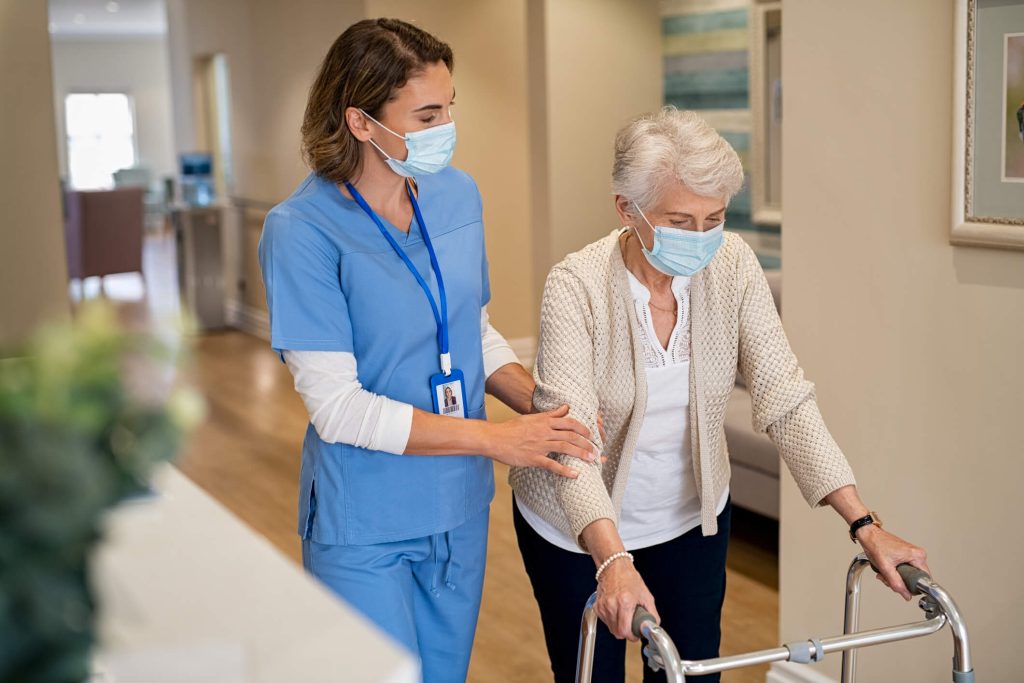
Examples of nursing home negligence include failure to provide adequate food, water, and medical care. Ignoring a resident’s hygiene needs, leaving them unattended for long periods, or failing to prevent falls are also common issues.
Other examples involve medication errors, such as giving the wrong dosage, skipping doses, or administering drugs without consent. Poor supervision can lead to accidents, wandering, or altercations between residents. In cases involving Alzheimer’s disease or dementia, a lack of proper supervision increases the risk of injury, and families may seek help from Las Vegas Nursing Home Medication Error Attorneys to hold the responsible parties accountable.
Evidence and Documentation in Negligence Cases
Proving nursing home negligence requires strong evidence. This can include medical records, photographs of injuries, witness testimony, staff schedules, and facility reports. Documentation of complaints, both formal and informal, can strengthen a case.
Family members should keep detailed records of incidents, conversations with staff, and any observed changes in a resident’s condition. Expert testimony from doctors or other professionals may also be used to demonstrate that the facility failed to meet the standard of care.
The Role of Staff and Caregivers in Resident Safety
Nursing home staff members, including nurses, aides, and other caregivers, have a duty to protect residents’ health and well-being. They must follow proper procedures for hygiene, nutrition, medication administration, and supervision.
When staff members fail in these responsibilities, the result can be injury, illness, or worse. Training, adequate staffing levels, and adherence to safety policies are essential to preventing harm.
Types of Injuries from Negligence
Injuries caused by nursing home neglect or abuse can range from minor to fatal. Common injuries include bruises, broken bones, head trauma from falls, bedsores, and infections. Malnutrition and dehydration can lead to organ failure or death.
Residents may also suffer from emotional injuries, such as anxiety, depression, and post-traumatic stress. These conditions can severely impact quality of life and may persist even after the resident leaves the facility.
Steps to Take When Negligence Is Suspected
If you suspect nursing home negligence, immediate action is necessary to protect the resident. Start by documenting all signs and symptoms, speaking with the resident, and raising concerns with the facility’s administrators.
If the situation does not improve or the resident is in immediate danger, contact state regulatory agencies or law enforcement. Families can also seek legal representation to file a complaint, lawsuit, or other formal action on behalf of the resident.
Legal Options and Potential Compensation
Victims of nursing home negligence, or their family members, may pursue compensation for damages such as medical expenses, pain and suffering, and emotional distress. Compensation can also cover the cost of relocating to a safer facility.
A lawsuit can hold negligent parties accountable, encourage better practices in care facilities, and secure justice for the resident. Damages can vary depending on the circumstances, severity of harm, and jurisdiction.
The Importance of Resident Rights and Dignity
All nursing home residents have legal rights, including the right to privacy, autonomy, and respectful treatment. Facilities must provide a safe living environment, access to necessary medical care, and opportunities for social activities.
Violations of these rights, whether through neglect, abuse, or other forms of mistreatment, are serious legal and ethical breaches. Upholding dignity is essential for the well-being of every person in a nursing home.
Prevention Through Oversight and Accountability
Preventing nursing home negligence requires strong oversight, proper staffing, and adherence to regulations. Regular inspections, staff training, and clear procedures can reduce the risk of harm.
Accountability is critical. Facilities must address complaints promptly, investigate incidents thoroughly, and take corrective measures when problems are identified. Transparency with family members and state agencies builds trust and improves safety.
Emotional Impact on Families
Negligence in a nursing home affects more than just the resident. Families often struggle with feelings of guilt, anger, and helplessness. They may question their decision to place a loved one in a facility and worry about the resident’s safety.
Support from other family members, counseling, and open communication with care providers can help families cope. Legal action with the guidance of the Nursing Home Injury Law Group may also bring a sense of justice and closure.
The Role of Medical Professionals
Doctors, nurses, and other medical staff play a crucial role in detecting and preventing nursing home neglect. Regular health assessments, proper medication management, and prompt treatment for illnesses or injuries are essential.
Medical professionals are also responsible for reporting suspected abuse or neglect to the appropriate authorities. Their expertise can be instrumental in proving negligence in a legal case.
Holding Facilities Accountable
Facilities that fail to meet the required standard of care must be held accountable for their actions. Legal action can compel them to change policies, improve staffing levels, and enhance training programs.
By holding negligent parties responsible, families can help protect other residents and improve overall care in the nursing home industry.
Final Thoughts on Nursing Home Negligence
Nursing home negligence is a serious matter that can have life-altering consequences for residents and their loved ones. Understanding the signs, causes, and legal implications empowers families to take action and protect vulnerable individuals.
Every resident deserves to live in a safe, respectful, and supportive environment. Through vigilance, documentation, and legal accountability, it is possible to prevent harm and secure justice for victims of nursing home neglect.
Frequently Asked Questions
1. What is the difference between nursing home negligence and nursing home abuse?
Negligence refers to the failure to provide adequate care due to oversight, neglect, or lack of proper action, while abuse involves intentional harm or mistreatment. Both can lead to serious harm for residents.
2. How long do I have to file a nursing home negligence claim?
The time limit, or statute of limitations, varies by state. In many states, it ranges from one to three years from the date of the incident or from when the harm was discovered.
3. Who can be held liable in a nursing home negligence case?
Possible liable parties include the facility, administrators, individual caregivers, medical professionals, and sometimes third-party contractors responsible for services like maintenance or medical care.
4. What should I do if I suspect my loved one is being neglected?
Document signs of neglect, take photographs if possible, keep records of communications, and report the situation to the facility management, state authorities, or an elder advocacy group.
5. Can nursing home negligence lead to criminal charges?
Yes. While many negligence cases are handled in civil court for compensation, severe cases—especially those involving intentional harm—can result in criminal charges.
6. How do I prove a nursing home negligence case?
Evidence such as medical records, witness statements, photographs, facility inspection reports, and expert testimony can help establish that the standard of care was not met.
7. Are nursing homes required to follow federal regulations?
Yes. Facilities receiving Medicare or Medicaid funding must comply with federal regulations in addition to state laws, covering areas such as staffing, safety, and residents’ rights.
8. What types of damages can be recovered in a negligence lawsuit?
Victims or their families may recover damages for medical expenses, pain and suffering, emotional distress, and in some cases, punitive damages for severe misconduct.
9. Can I move my loved one to another facility during an investigation?
Yes. Families often relocate residents to ensure their safety, especially if the suspected negligence is ongoing. The new facility should be chosen carefully to meet all care needs.
10. Do I need an attorney to handle a nursing home negligence claim?
While it’s possible to file a claim without one, an attorney experienced in elder law can help navigate legal requirements, gather evidence, and negotiate for fair compensation.